
The foreign exchange market, commonly known as the Forex market, is the world’s largest financial market where currencies are bought and sold. Every day, governments, banks, multinational companies, investment firms, and individual traders exchange currencies for trade, investment, tourism, and speculation.
If you’ve ever exchanged your local currency before traveling abroad, you’ve already participated in the Forex market on a very small scale.
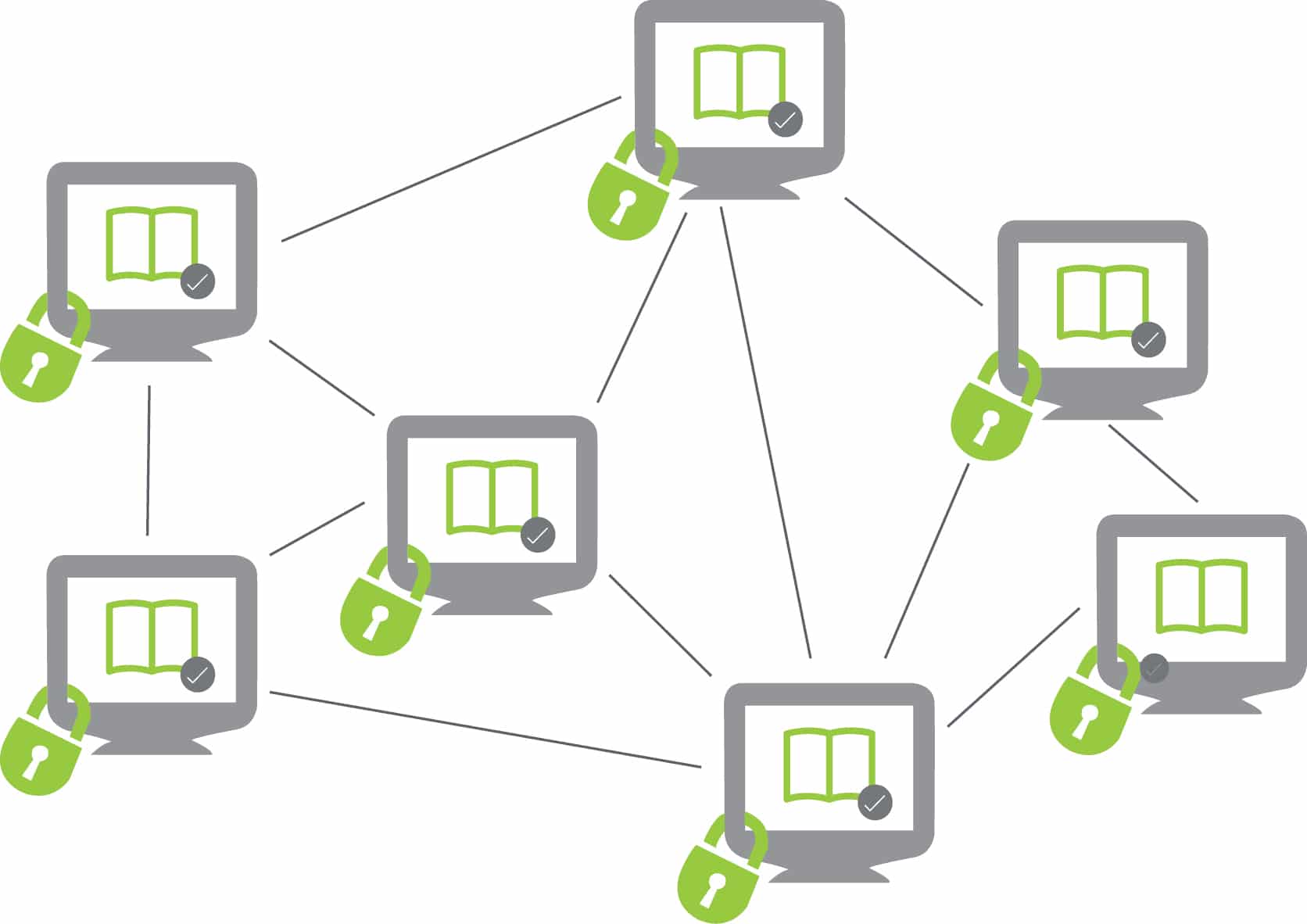
Unlike stock markets that operate through centralized exchanges, the Forex market is decentralized. Trading takes place electronically through a global network of banks, financial institutions, brokers, and market participants. Because financial centers around the world operate in different time zones, the market is open 24 hours a day during the trading week.
 Learn the fundamentals of currency markets with our guide on What Is Forex Trading?
For beginners, Forex may seem complicated at first. However, once you understand the basic concepts—such as currency pairs, exchange rates, and market participants—it becomes much easier to follow.
In this guide, you’ll learn how the Forex market works, why it matters, its benefits and risks, common beginner mistakes, and practical tips to help you build a solid foundation.
What Is the Forex Market?
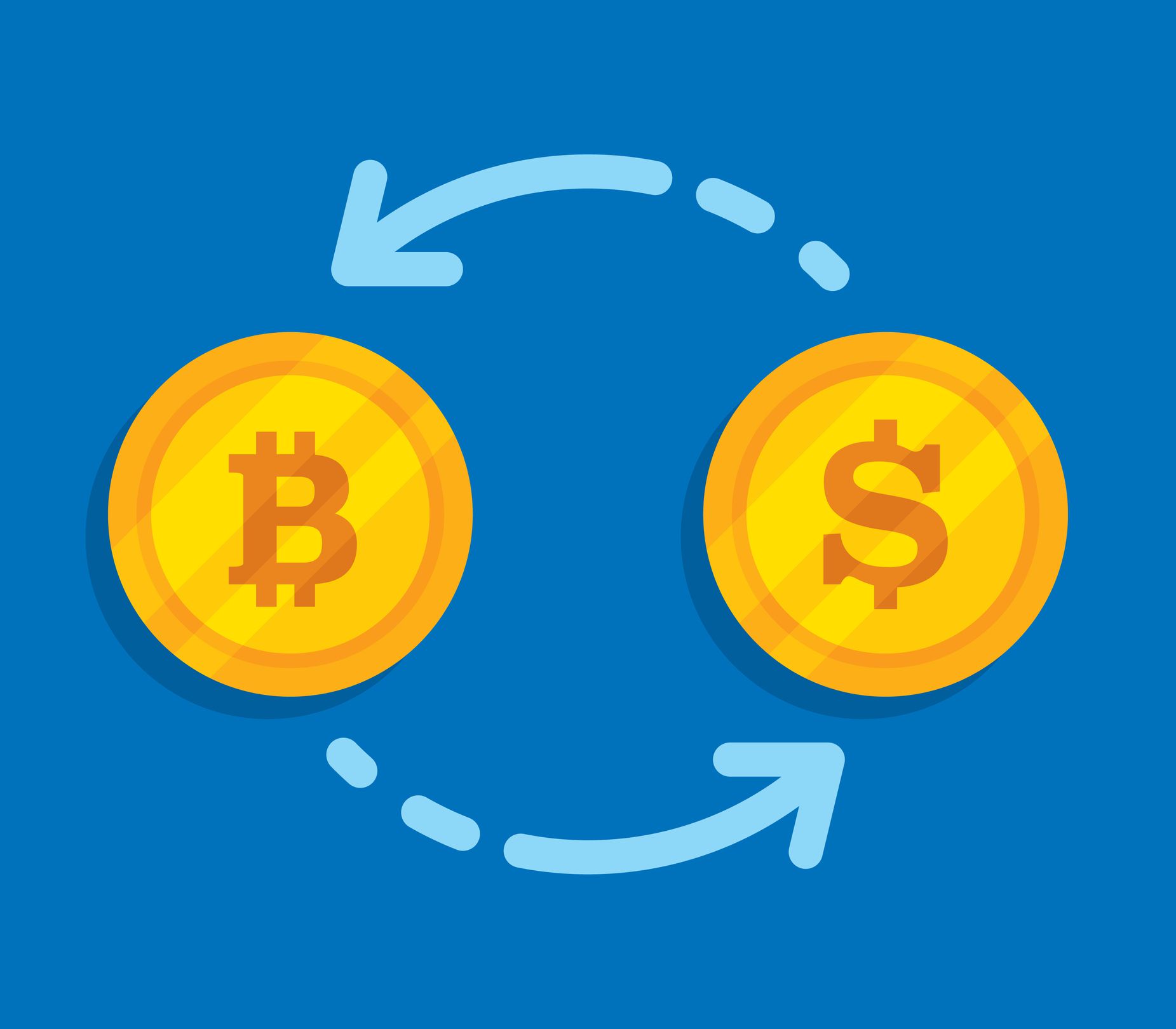
The Forex market, also called the foreign exchange market or FX market, is a global marketplace where one currency is exchanged for another.
Instead of buying physical products, traders buy one currency while simultaneously selling another.
For example:
- EUR/USD
- GBP/USD
- USD/JPY
- AUD/USD
Each pair represents the value of one currency relative to another.
For instance, if the EUR/USD exchange rate is 1.10, it means 1 euro equals 1.10 US dollars.
Forex Market Explained in Simple Words
Imagine you’re traveling from the United States to Japan.
Before your trip, you exchange US dollars for Japanese yen.
That exchange is part of the Forex market.
Now imagine millions of people, businesses, banks, and governments exchanging currencies every second around the world.
Together, these transactions create the largest and most liquid financial market on Earth.
Why Is the Forex Market Important?
The Forex market plays a crucial role in the global economy.
Without it, international trade and investment would be far more difficult.
It enables:
- International trade
- Foreign investment
- Tourism
- Cross-border business
- Global economic growth
Example
A company in Germany importing goods from the United States must pay in US dollars.
To complete the transaction, it exchanges euros for dollars through the Forex market.
How Does the Forex Market Work?
The Forex market works through a network of financial institutions rather than a central exchange.
Prices constantly change because of supply and demand.
Several factors influence exchange rates:
- Interest rates
- Inflation
- Economic growth
- Employment reports
- Political events
- Central bank decisions
- Global market sentiment
When demand for a currency rises, its value generally increases.
When demand falls, its value often decreases.
Who Participates in the Forex Market?
Many different participants keep the market active.
| Participant | Purpose |
|---|---|
| Central banks | Monetary policy and currency stability |
| Commercial banks | Currency exchange and liquidity |
| Governments | Economic operations |
| Multinational companies | International business payments |
| Investment funds | Portfolio management |
| Forex brokers | Provide market access |
| Retail traders | Individual speculation and hedging |
Understanding Currency Pairs
Currencies are always traded in pairs.
Major Currency Pairs
- EUR/USD
- GBP/USD
- USD/JPY
- USD/CHF
- AUD/USD
- USD/CAD
- NZD/USD
These pairs usually have the highest trading volume and tighter spreads.
Minor Currency Pairs
Examples include:
- EUR/GBP
- EUR/AUD
- GBP/JPY
Exotic Currency Pairs
These combine a major currency with a currency from an emerging economy.
Examples:
- USD/TRY
- USD/ZAR
- USD/MXN
Exotic pairs often experience wider spreads and higher volatility.
How Does Forex Trading Work?
Forex trading involves predicting whether one currency will strengthen or weaken against another.
Before analyzing price movements, beginners should understand the basics covered in our Beginner’s Guide to Technical Analysis
Example
Suppose EUR/USD trades at 1.1000.
If you believe the euro will rise against the US dollar, you buy EUR/USD.
If the exchange rate later increases to 1.1100, the position may be profitable before costs, depending on position size and other factors.
If the exchange rate falls instead, the trade may result in a loss.
This illustrates why risk management is essential.
Many traders use technical tools to analyze markets; discover the most common Best Forex Trading Indicators
Forex Market Trading Sessions
The Forex market operates almost continuously from Monday to Friday because trading follows major financial centers around the world.
| Session | Major Financial Centers |
|---|---|
| Sydney | Australia |
| Tokyo | Japan |
| London | United Kingdom |
| New York | United States |
The London and New York overlap is often one of the busiest trading periods because of higher market activity and liquidity.
Types of Forex Markets
1. Spot Market
Currencies are exchanged at the current market price.
Most retail traders participate in the spot market.
2. Forward Market
Participants agree today on a currency exchange that will occur at a future date.
Businesses often use forward contracts to reduce uncertainty related to exchange rate movements.
3. Futures Market
Standardized currency contracts are traded on regulated exchanges for future delivery.
What Moves the Forex Market?
Many events can influence currency prices.
Economic Data
Examples include:
- Inflation reports
- Employment data
- GDP growth
- Retail sales
Central Bank Decisions
Interest rate decisions often have a significant effect on currency values.
Political Events
Elections, policy changes, and geopolitical tensions can increase volatility.
Market Sentiment
Investor confidence and expectations also affect exchange rates.
Economic factors influence currency prices, so learn more in our guide to Fundamental Analysis in Forex
Benefits of the Forex Market
The Forex market offers several advantages.
High Liquidity
Large trading volumes generally make it easier to buy and sell major currency pairs.
Nearly 24-Hour Trading
The market is open around the clock during weekdays.
Global Accessibility
Individuals can access the market through regulated brokers in many jurisdictions.
Variety of Trading Opportunities
Traders can focus on major, minor, or exotic currency pairs depending on their objectives and risk tolerance.
Risks of Forex Trading
Although Forex offers opportunities, it also involves significant risks.
Market Volatility
Exchange rates can change rapidly.
Leverage Risk
Leverage can magnify both gains and losses.
Beginners should understand how leverage works before using it.
Understanding borrowing power is important before trading; explore What Is Leverage in Trading?
Emotional Trading
Fear and greed often lead to poor decisions.
Economic Surprises
Unexpected news can move prices sharply.
Protecting your capital is essential, so explore our Risk Management Strategies for Traders guide before placing trades
Important: No trading strategy can guarantee profits. Anyone considering Forex trading should understand the risks, use appropriate risk management, and only trade with money they can afford to lose.
Step-by-Step Guide for Beginners
Step 1: Learn the Basics
Understand:
- Currency pairs
- Pips
- Spreads
- Leverage
- Margin
Step 2: Understand Market Analysis
Most traders use one or more approaches:
- Fundamental analysis
- Technical analysis
- Sentiment analysis
Traders can improve chart reading skills by learning about Candlestick Patterns for Beginners
Step 3: Practice on a Demo Account
A demo account lets you become familiar with a trading platform without risking real money.
Step 4: Create a Trading Plan
Your plan should define:
- Entry rules
- Exit rules
- Risk per trade
- Position sizing
- Trading goals
Step 5: Keep Learning
Financial markets evolve continuously.
Successful traders regularly review their strategies and stay informed about economic developments.
Forex Market vs Stock Market
| Feature | Forex | Stock Market |
|---|---|---|
| Asset | Currencies | Company shares |
| Trading Hours | Nearly 24 hours (weekdays) | Exchange hours |
| Market Size | Very large global market | Smaller than global FX market |
| Liquidity | Generally high for major pairs | Varies by stock |
| Main Drivers | Economic and monetary factors | Company performance and broader markets |
Common Beginner Mistakes
Many new traders make similar mistakes.
Developing discipline is a key part of trading success, which is why understanding Trading Psychology Explained can help beginners
Avoid these common pitfalls:
- Trading without a plan.
- Risking too much on a single trade.
- Ignoring stop-loss orders.
- Overtrading.
- Chasing losses.
- Trading based on emotions.
- Using excessive leverage.
- Ignoring major economic news.
Expert Tips for Beginners
- Focus on learning before earning.
- Start with major currency pairs.
- Use proper risk management.
- Keep a trading journal.
- Review every trade.
- Stay patient.
- Avoid unrealistic profit expectations.
- Continue improving your knowledge.
Choosing a reliable platform is important; read our guide on How to Choose a Forex Broker
Proper position sizing and capital control are explained in our guide on Money Management for Beginners
What Is the Forex Market?
The Forex market is the global marketplace where currencies are exchanged. It operates through a decentralized network of banks, financial institutions, businesses, brokers, and individual traders. The market is open 24 hours a day during weekdays and is used for international trade, investment, tourism, and currency speculation.
How Does the Forex Market Work?
The Forex market works by allowing participants to buy one currency while selling another. Exchange rates change constantly because of supply and demand, economic data, interest rates, central bank policies, political events, and overall market sentiment.
Frequently Asked Questions
1. What is the Forex market in simple words?
The Forex market is where currencies are exchanged. People, businesses, banks, and governments use it to buy and sell different currencies.
2. Is Forex trading safe for beginners?
Forex trading involves substantial risk. Beginners should first build a solid understanding of the market, practice on a demo account, and use careful risk management before trading with real money.
3. Can beginners make money in Forex?
Some traders earn profits, while many experience losses. Results depend on education, discipline, market conditions, and risk management. There are no guaranteed profits.
4. Why is the Forex market open 24 hours?
Trading follows major financial centers in different time zones, allowing the market to operate continuously during the business week.
5. What are major currency pairs?
Major pairs include EUR/USD, GBP/USD, USD/JPY, USD/CHF, AUD/USD, USD/CAD, and NZD/USD.
6. What is leverage in Forex?
Leverage allows traders to control larger positions with a smaller amount of capital. While it can increase potential returns, it also increases potential losses.
7. Who controls the Forex market?
No single organization controls the entire Forex market. It is a decentralized market involving banks, financial institutions, central banks, governments, companies, and traders.
8. What is a pip?
A pip is a standardized unit used to measure changes in the exchange rate of a currency pair.
9. What is the difference between Forex and stocks?
Forex trading focuses on currencies, while stock trading involves shares of publicly listed companies.
10. Should beginners trade every day?
Not necessarily. Quality of trades is generally more important than quantity. Many beginners benefit from observing the market and trading selectively rather than frequently.
References
For readers who want to explore official information, consider citing resources from:
- National central banks (such as the Federal Reserve, European Central Bank, or Bank of England)
- Financial regulators in your jurisdiction
- International organizations such as the Bank for International Settlements (BIS)
- Government statistical agencies that publish economic data
- Official documentation from regulated financial exchanges where relevant
These sources provide reliable information on monetary policy, economic indicators, and financial market developments.
Conclusion
The Forex market is a cornerstone of the global financial system, enabling currencies to be exchanged for international trade, investment, tourism, and many other economic activities. While the market offers high liquidity, flexible trading hours, and a wide range of opportunities, it also carries meaningful risks. Exchange rates can change quickly, and leverage can amplify both gains and losses.
For beginners, the most valuable investment is education. Learning how currency pairs work, understanding the factors that influence exchange rates, practicing with a demo account, and developing disciplined risk management habits can help build a stronger foundation before committing real capital.
Remember that successful trading is rarely about finding a shortcut. It is built on patience, continuous learning, realistic expectations, and informed decision-making. As you deepen your understanding of Forex, consider exploring related topics such as technical analysis, fundamental analysis, trading psychology, and risk management to broaden your financial knowledge.